

Rodents are more than just a nuisance; they’re a serious threat to your restaurant’s reputation, health standards, and bottom line. A single sighting of a mouse or rat can lead to bad reviews, food contamination, or even health code violations. For restaurant owners and managers in Burlington, Mercer, and Ocean County, New Jersey, taking proactive measures to control rodents is essential.
Here are the most effective ways to manage and prevent rodent infestations in restaurants and food businesses, emphasizing why proper trapping, sanitation, and exclusion methods are far superior to using rodent baits.
Why Rodent Control Is Crucial for Food Establishments
The High Stakes of Rodent Infestations
Rodents are more than an inconvenience—they’re a liability. According to the CDC, rodents can spread over 35 diseases through their droppings, urine, and saliva, and these contaminants can lead to foodborne illnesses if they come into contact with food prep areas.
Beyond health concerns, a single customer spotting a mouse could lead to damaging online reviews or even viral social media posts that tarnish your restaurant’s image. In worst-case scenarios, health inspectors may close your business until the issue is resolved.
Signs of Mice and Rats in a Restaurant
Staff often spot the signs before anyone sees a rodent. Check at opening and after close.
- Droppings along walls, on shelves, and behind cooking equipment.
- Gnawed corners on bags and boxes in dry storage.
- Dark grease marks along baseboards where rodents run the same path.
- Shredded paper or insulation behind coolers and dish machines.
What Fresh Rat Droppings in a Food Establishment Mean
Fresh droppings mean rodents are active right now. They look dark, shiny, and soft. Older droppings turn dry, gray, and crumbly. Mouse droppings are about the size of a grain of rice. Rat droppings are larger, closer to a raisin. See our pest droppings guide.
Don’t sweep or vacuum droppings, since that can stir contaminated dust into the air. Wear gloves, spray the area with disinfectant, and let it soak for five minutes. Wipe it up with paper towels, then call for an inspection the same day.
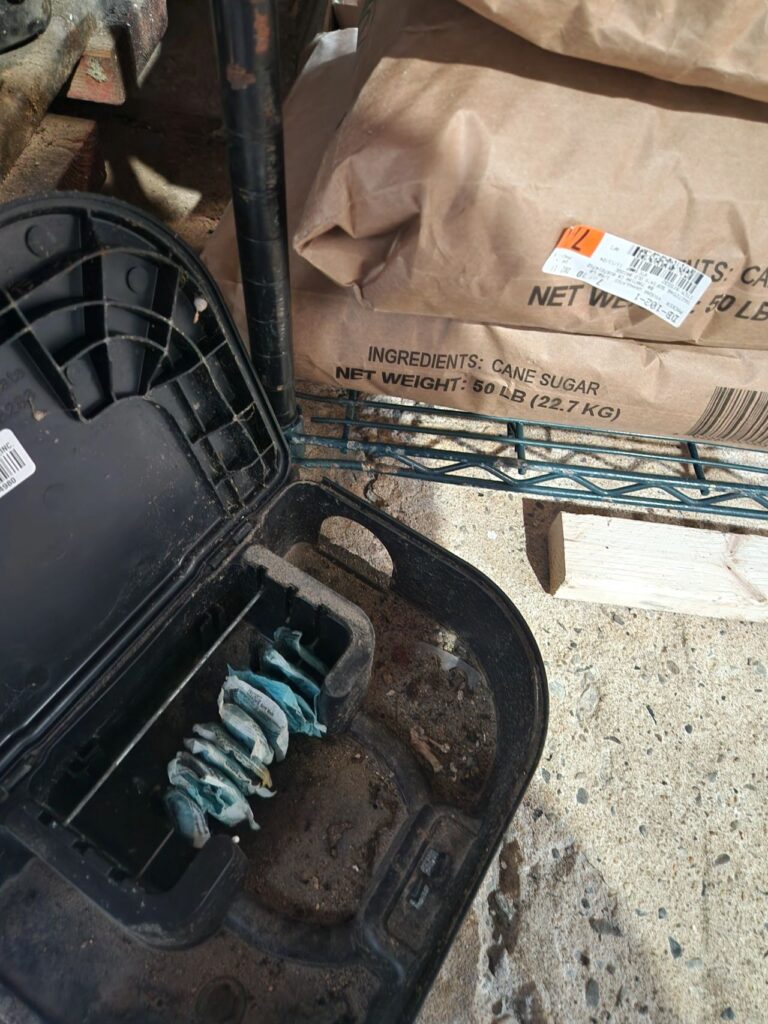
Why Rodent Baits Are a Bad Idea for Restaurants
Rodent baits, while common in some pest control approaches, are a poor choice for food establishments. Here’s why:
Baits Attract Rodents Inside:
Placing rodent baits indoors draws pests into your establishment. While they may eventually consume the bait, their presence inside creates an immediate risk of contamination.
Delayed Deaths Lead to Contamination:
Rodents don’t die immediately after consuming bait. Instead, they wander through your kitchen and storage areas, potentially contaminating food surfaces before dying.
Introduction of Secondary Pests:
Rodent bait can harbor secondary pests, such as grain beetles or moths, that thrive in the bait material. These pests can spread and infest your food storage areas.
Legal and Regulatory Risks:
Many states, including New Jersey, have strict regulations on the use of rodent baits in food establishments. Violating these rules could result in fines or business closures.
Lazy Practices Lead to Long-Term Problems:
Using baits alone often indicates a “set it and forget it” approach, which fails to address the root causes of the infestation, such as structural entry points or poor sanitation.
The Right Way to Handle Rodents in Restaurants
1. Focus on Exclusion and Prevention
The best way to manage rodents is to prevent them from entering in the first place. This involves:
- Sealing Entry Points:
Inspect your building for gaps around doors, windows, utility lines, and vents. Use steel wool or metal mesh to block these gaps, as rodents can chew through softer materials. - Installing Door Sweeps:
Door sweeps create a barrier against rodents and other pests that might enter through gaps under exterior doors. - Inspecting Food Deliveries:
Rodents often hitch rides in delivery trucks. Train staff to inspect packages and pallets for signs of pest activity.
A careful inspection is what makes exclusion work. Dan checks door thresholds, utility lines, roof vents, floor drains, and gaps behind equipment. See our rodent exclusion guide for common entry points.
2. Implement Proper Trapping Techniques
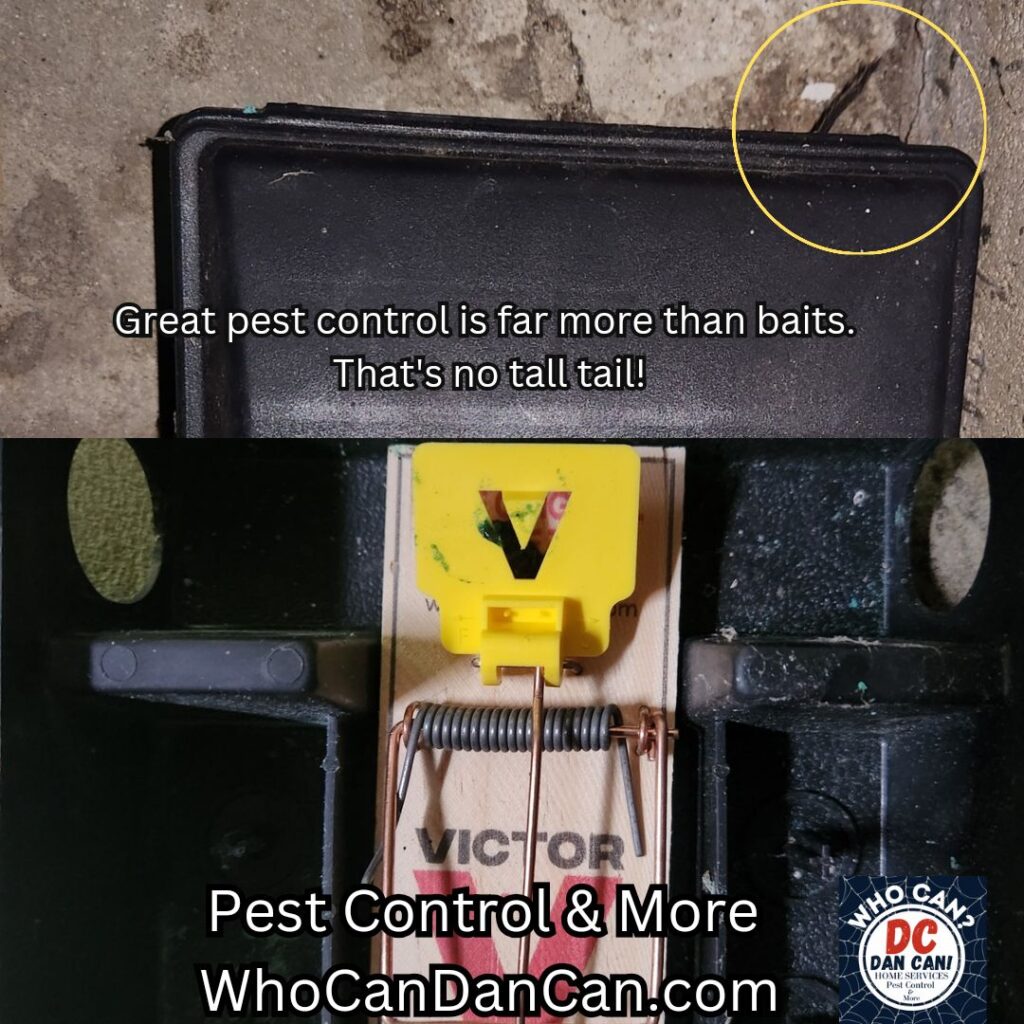
When rodents are already present, trapping is the most effective way to remove them.
Avoid Moving Traps:
Consistency is key. Ensure staff understand the importance of leaving traps in place to maintain effectiveness.
Use Mechanical Traps:
Mechanical traps, such as snap traps or Tin Cats, are highly effective when placed correctly. These traps should be positioned along walls and near entry points, where rodents are most likely to travel.
3. Prioritize Sanitation
Sanitation is critical to deterring rodents from your restaurant.
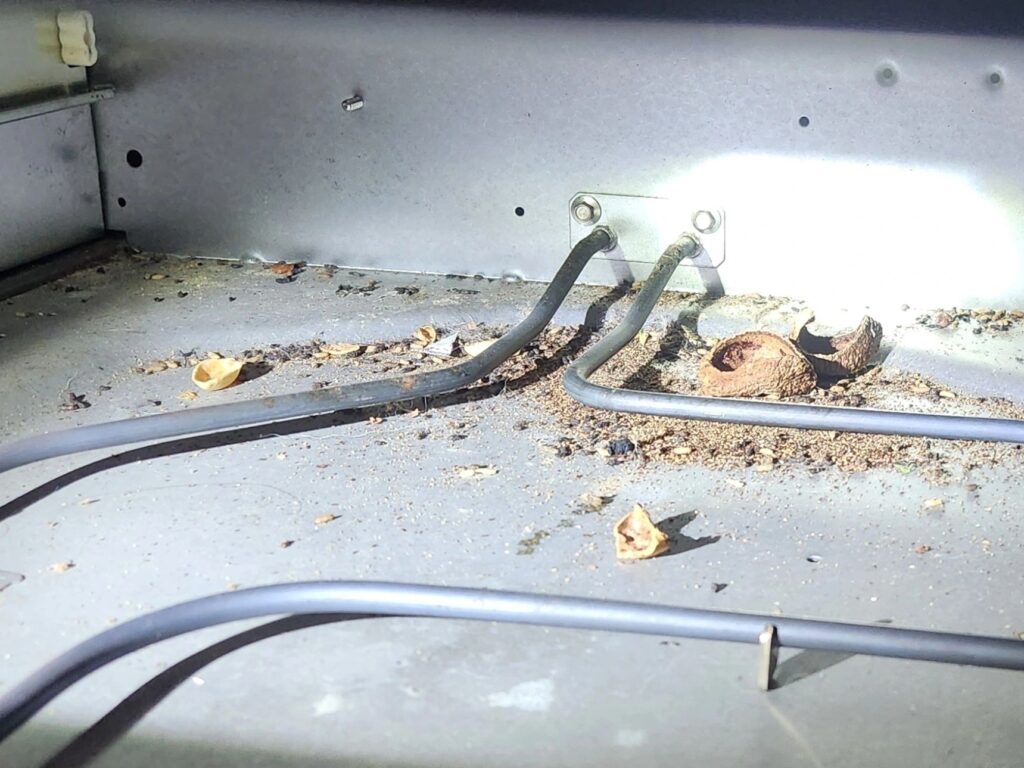
- Clean Food Prep and Storage Areas Daily:
Even small crumbs or food residues can attract rodents. Regularly deep clean behind appliances, under counters, and in storage areas. - Store Food Properly:
Keep all food in airtight containers and off the floor. - Empty Trash Frequently:
Ensure garbage bins are covered and emptied regularly to avoid attracting pests.
4. Work With a Professional Pest Control Partner
Managing rodents in a food business requires expertise and ongoing attention. At Dan Can Home Services, we specialize in rodent control for restaurants, taking a comprehensive approach that includes:
- Detailed Inspections:
Identifying the root cause of infestations. - Safe, Non-Toxic Solutions:
Using bait-free methods and mechanical traps to eliminate rodents. - Discreet Service:
Our team works outside of business hours and uses unmarked clothing to ensure your customers remain unaware of pest control activities.
How to Get Rid of Mice in a Restaurant
Mice nest inside the building, close to food, so activity clusters in a few spots.
- Find the nest zones first: behind ovens, under prep tables, inside wall voids, and in dry storage.
- Set snap traps or multi-catch traps along the walls in those zones.
- Check traps every day and log what you catch and where.
- Seal the gaps that let mice in, or new mice will replace the ones you catch.
How to Get Rid of Rats in a Restaurant
Rats usually burrow outside near dumpsters, grease bins, and loading docks. They get in through damaged drains and gaps under rear doors.
- Start outside. Keep dumpster lids shut and clean up spills around grease containers.
- Place traps in tamper-resistant stations along exterior walls and travel routes.
- Rats avoid new objects, so traps may sit untouched for several days.
- Repair door gaps, drain covers, and openings around utility lines.
If a neighboring business is the source, see our guide for commercial tenants.
Getting Ready for a Health Inspection
Inspectors look for signs of activity and proof that you are handling it. Keep one binder with service reports, a trap map, and notes on repairs. Log every sighting and what staff did.
Protect Your Restaurant’s Reputation
Rodent control is about more than just eliminating pests—it’s about safeguarding your business, reputation, and customers. By prioritizing exclusion, proper trapping, and sanitation, you can ensure a pest-free environment that meets the highest health and safety standards.
At Dan Can Home Services, we understand the unique challenges faced by restaurants and food businesses in New Jersey. If you’re ready to partner with a pest control expert who cares about your business as much as you do, contact us today.
Restaurant Rodent Control FAQ
It depends on the number of entry points and how long the mice have been inside. Follow-up checks confirm they are gone.
No. Dan Can has no contracts.