
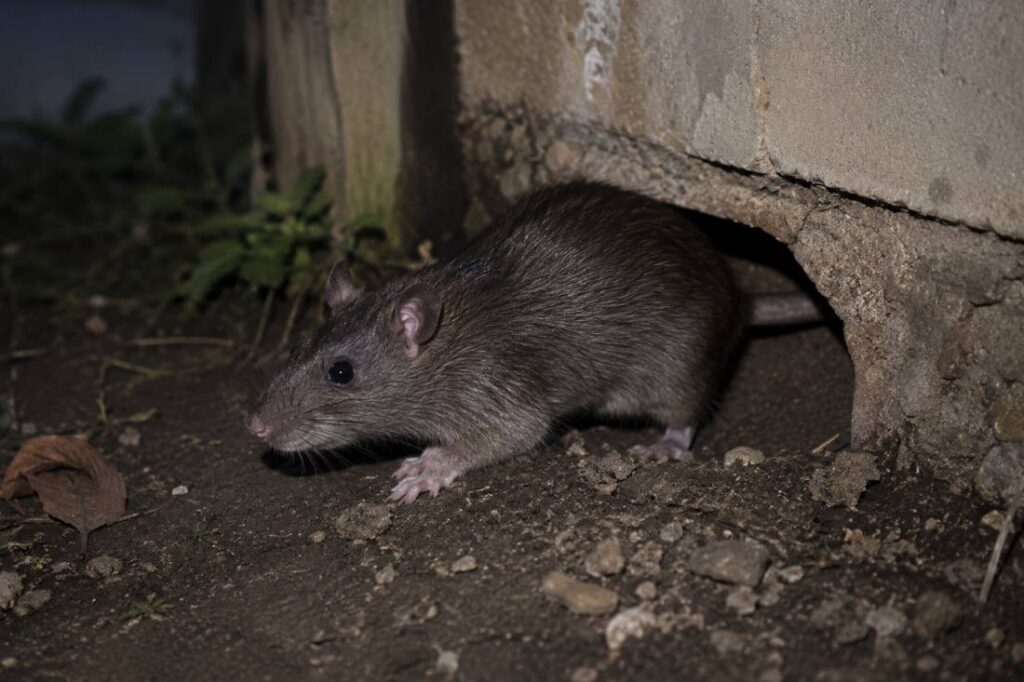
Rats are not a problem most homeowners want to think about. When they start showing up in yards, near gardens, or inside walls, the reaction is usually equal parts alarm and disbelief.
Beachwood and surrounding Ocean County communities have seen increased rat activity in recent years, and residents are raising concerns. Understanding why rats appear, what risks they carry, and why store-bought poison often falls short are all worth knowing before the problem gets out of hand.
Why Rats Are Showing Up in Ocean County Neighborhoods
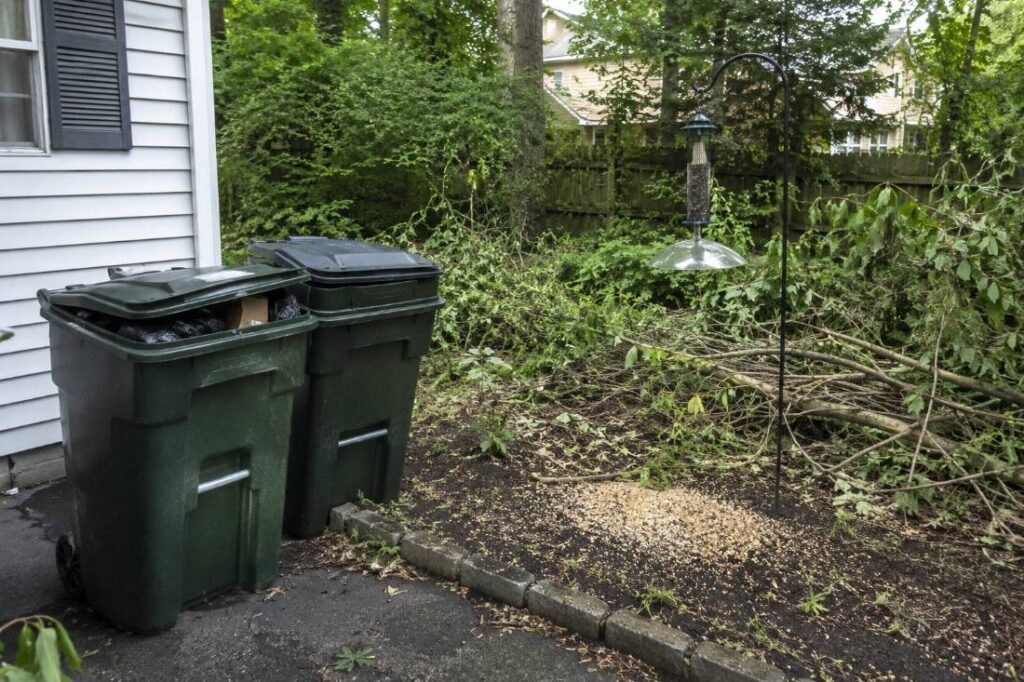
Ocean County’s mix of suburban streets, wooded lots, and waterfront properties creates conditions that suit rats well. Norway rats — the most common species in New Jersey — prefer ground-level burrows near reliable food sources. Residential neighborhoods provide both. Unsecured garbage, bird feeders, compost, and pet food left outdoors all attract rats looking for easy meals.
Construction activity also plays a role. When nearby properties are developed or disturbed, established rat colonies get displaced. The rats do not disappear — they simply relocate to adjacent yards and homes. Dense, established neighborhoods like those found in Beachwood are particularly vulnerable when surrounding land gets disrupted.
How Rats Move Between Properties
Rats are capable of traveling significant distances each night in search of food and shelter. A colony established in one yard can spread to neighboring properties within a short period. Shared fence lines, utility corridors, and storm drains all serve as travel routes. This is why a rat problem that starts at one property rarely stays there for long.
The Health Risks Rats Pose to Families and Pets
Rats are not merely a nuisance. They carry pathogens and parasites that pose genuine health risks to people and animals. Leptospirosis, a bacterial infection spread through rat urine, can contaminate soil and standing water. Salmonella can be transmitted through droppings left near food preparation areas. Rat bites, though less common, are a documented risk for children and small pets.
What Rats Carry Into Your Home
Beyond disease, rats introduce fleas and ticks when they enter a structure. Fleas carried by rats can spread to household pets rapidly. Gnawing on electrical wiring is another documented hazard — rodent activity is a contributing factor in a meaningful number of residential structure fires each year. A rat inside a wall or attic is not simply an unpleasant houseguest. It is an active safety concern.
Protecting Children and Pets From Rat-Related Risks
Children who play in yards where rats are active face real exposure risks. Rat droppings and urine can contaminate soil in garden beds, sandboxes, and play areas. Pets that roam freely outdoors are particularly vulnerable, as they may encounter rats directly or come into contact with contaminated surfaces.
Keeping play areas clear of debris, securing garbage tightly, and monitoring pets outdoors are all meaningful protective steps.
The Truth About DIY Rat Poison and Why It Often Fails
Many homeowners reach for store-bought rat poison as a first response. The concern about rats becoming resistant to common poisons is not a myth — it is a documented and growing problem, including in the broader New York metro region.
Norway rats have been found to carry genetic mutations that reduce or eliminate their sensitivity to first-generation anticoagulant rodenticides. These are the compounds found in most consumer-grade bait products.
Warfarin and similar first-generation poisons have been in use since the 1950s. Resistance to them has been documented since the 1960s. When resistant rats survive repeated bait exposure, they reproduce and pass that resistance to offspring. Over time, local rat populations can become largely immune to the most widely available over-the-counter options.
The Risk to Pets and Wildlife From Store-Bought Bait
Beyond effectiveness concerns, consumer rodenticides carry serious secondary poisoning risks. A rat that ingests poison and then dies in an accessible location can be found and consumed by a dog, cat, hawk, or owl. The toxic compounds transfer through that consumption and can cause severe illness or death in non-target animals.
Second-generation anticoagulants — more potent compounds developed specifically to address resistance — carry an even higher risk of secondary poisoning due to the way they accumulate in tissue.
Placing bait stations without professional guidance also creates placement errors. Improperly positioned bait can be accessed by non-target animals or fail to intercept the rat population’s actual travel routes, making the effort both risky and ineffective.
Why Exclusion Matters as Much as Elimination
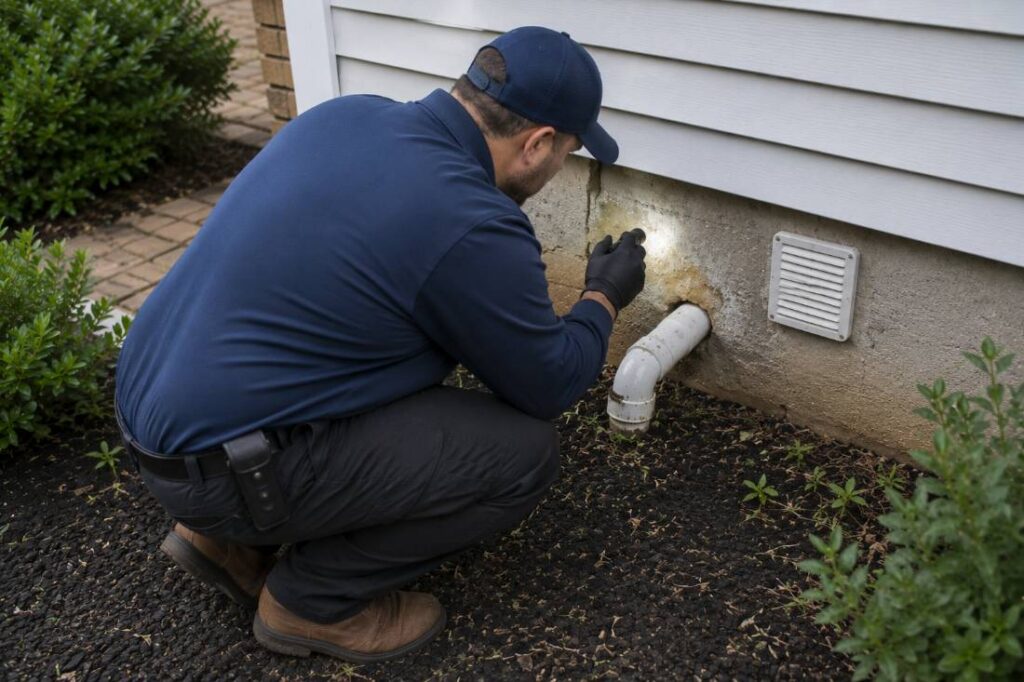
Poison alone does not solve a rat problem. Rats entering a structure do so through gaps, cracks, and unsealed penetrations. A gap as small as half an inch is sufficient for a rat to pass through. Without identifying and sealing those entry points, new rats will continue to enter even after an existing population is reduced.
Professional rodent control combines elimination with exclusion — addressing both the population and the conditions that allowed entry in the first place.
This is a meaningful distinction between professional service and DIY approaches. Store-bought bait addresses the symptom. A proper rodent control program addresses the source.
Steps Families Can Take Now
Several practical measures reduce the conditions that attract rats in the first place. Securing garbage in bins with tight-fitting lids is one of the most impactful steps available. Removing bird feeders or switching to feeders designed to minimize ground spillage also helps, as spilled seed is a reliable food source for rats. Pet food should not be left outdoors overnight.
Clear brush, wood piles, and dense ground cover away from the home’s foundation. These provide shelter and nesting material. Seal any visible gaps around pipes, vents, and the foundation with appropriate materials — steel wool and hardware cloth resist gnawing in ways that foam and caulk alone do not.
If burrows are visible in the yard, that is a sign of an established colony rather than occasional visitors. At that stage, professional assessment is the most reliable path forward.
How Dan Can Home Services Handles Rat Problems in Ocean County
Dan Can Home Services has been protecting families and properties across Ocean County since 2023. Rodent control here goes beyond placing bait and waiting.
Each service begins with a property inspection to locate entry points, active burrow sites, and the conditions driving rat activity. Treatment is then targeted to where rats are actually traveling and nesting, rather than where they are most visible.
Exclusion work — sealing the openings that allow rats inside — is part of the process. Many homeowners dealing with rats also benefit from reviewing their broader pest situation, since conditions that attract rodents often attract other pests as well.
A general pest control assessment can identify those overlapping vulnerabilities. For commercial property owners managing multi-tenant buildings, the dynamics of shared rodent pressure are addressed in our post on rodent control for commercial tenants.
If you have seen rats in your yard or have concerns about activity near your home, early action consistently produces better outcomes than waiting. The longer a colony is established, the larger and more resistant to simple interventions it tends to become.
Honest assessments and upfront recommendations guide every visit — the same approach Dan Can has followed since opening. For more on what to look for in a pest control provider before anyone sets foot on your property, what NJ homeowners need to know about pest control practices is worth reading first.