
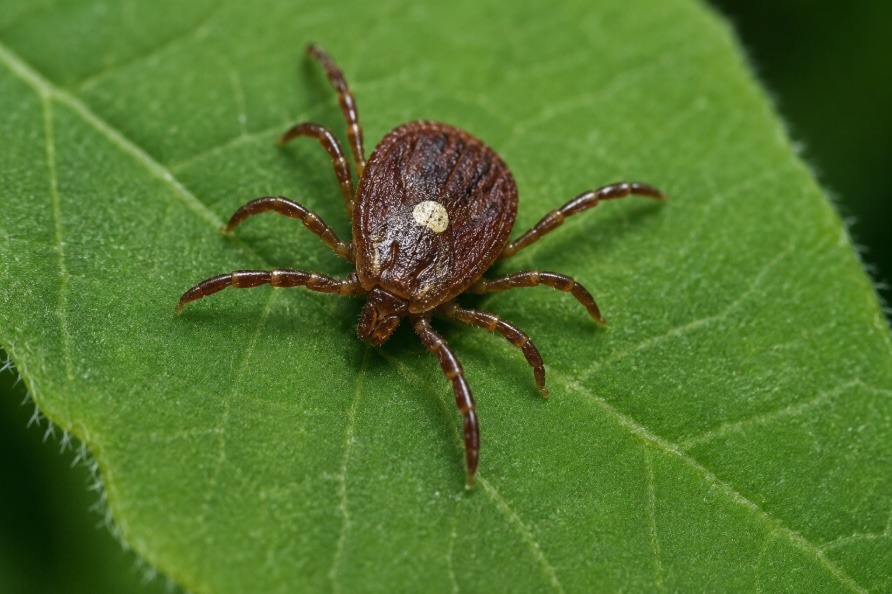
Tick season brings more than itchy bites to New Jersey yards. A specific species, the lone star tick, has expanded its range significantly.
Researchers have linked it to a serious condition called alpha-gal syndrome. Homeowners across the state benefit from understanding this connection. Awareness leads to better prevention and faster action.
What Is the Lone Star Tick
The lone star tick gets its name from a single white dot. This marking appears only on adult females. Males display scattered light markings instead of one dot. Historically, this tick was common in southern states. Warmer winters and expanding deer populations have pushed its range northward. Today, it appears throughout wooded and suburban areas statewide.
Why This Tick Stands Out
Unlike many tick species, the lone star tick behaves aggressively. It actively seeks out hosts rather than waiting passively. This means people may encounter it more often during outdoor activities. Yards with tall grass, brush piles, or leaf litter attract these ticks. Consequently, properties near wooded areas face higher exposure risk.
Understanding Alpha-Gal Syndrome
Alpha-gal syndrome is an allergic reaction triggered by tick bites. The condition develops after exposure to a sugar molecule called alpha-gal. This molecule occurs naturally in most mammalian meat. During a bite, tick saliva can transfer alpha-gal into the bloodstream. The immune system then treats it as a foreign substance.
How Symptoms Develop
Once sensitized, a person may react after eating red meat. Reactions often appear several hours after a meal. This delay makes the condition tricky to diagnose. Symptoms range from mild stomach upset to more serious reactions. Common signs include hives, nausea, and digestive discomfort. Some individuals experience more severe allergic responses.
Why Awareness Matters
Many people experiencing symptoms do not connect them to tick bites. The delayed reaction timeline often confuses both patients and doctors. As a result, alpha-gal syndrome frequently goes undiagnosed for some time. Researchers continue studying how common this condition truly is. Increased public awareness helps people seek answers sooner.
Where Lone Star Ticks Are Found in New Jersey
This tick has become established throughout much of New Jersey. Wooded, rural, and suburban properties all provide suitable habitat. Areas with dense brush, leaf litter, and tall grass pose higher risk. Backyards bordering wooded lots often see increased tick activity. Pets and outdoor play areas can also bring ticks closer to homes.
Seasonal Activity Patterns
Lone star ticks remain active across a broad portion of the year. Warmer months typically bring increased activity levels. However, mild winter conditions can extend their active season further. Outdoor enthusiasts, gardeners, and pet owners face the greatest exposure. Children playing in yards also encounter ticks frequently during these months.

Reducing Tick Exposure Around Your Home
Several simple steps help reduce tick populations near living spaces. Keeping grass trimmed short removes favorable tick habitat. Clearing leaf litter and brush piles also helps significantly. Creating a barrier of wood chips or gravel discourages tick movement. Additionally, keeping play structures away from wooded edges reduces contact.
Personal Prevention Habits
Wearing long sleeves and pants helps when entering wooded areas. Tucking pants into socks creates an additional barrier. Performing tick checks after outdoor activities catches ticks early. Showering soon after spending time outside also helps. Checking pets regularly prevents ticks from entering the home indoors.
When Professional Treatment Helps
Sometimes yard modifications alone do not fully control tick populations. Professional tick treatments target areas where ticks commonly hide. This includes wood lines, garden beds, and tall grass zones. Regular treatments throughout the season reduce overall tick activity. Combining professional service with personal prevention offers the best protection.
How Dan Can Home Services Approaches Tick Control
Dan Can Home Services uses an integrated pest management approach for ticks. This method focuses on long-term prevention rather than temporary fixes. Technicians assess yards for conditions that attract ticks. Targeted treatments then address these problem areas directly. Ongoing monitoring helps maintain results throughout the season.
A Family-Focused Approach to Pest Control
As a family-owned business, protecting families matters personally to this team. Clear communication and honest assessments guide every visit. Homeowners receive straightforward recommendations without unnecessary upsells. This approach reflects a broader commitment to trust and transparency. Many families across the region have come to rely on this service.
Take Action Against Ticks This Season
Lone star ticks continue expanding their presence across New Jersey. Alpha-gal syndrome remains an important topic for ongoing research. Property owners benefit from staying informed and proactive. Combining yard maintenance, personal habits, and professional treatments works best.
Pairing tick treatments with broader pest prevention often makes sense. Many homeowners also explore general pest control services for year-round protection. For properties dealing with mosquitoes as well, mosquito control services may also help.